How to Buy Funeral Memorials: A Complete Guide
Table of Contents
Understanding Your Memorial Options
Headstones and Markers
Granite Urns for Ashes
Plaques and Garden Memorials
Cemetery Headstone Requirements and Approval
Choosing Materials and Design for Durability
Why Granite Resists Cracking and Staining
Memorial Inscription Ideas and Personalization
How to Buy a Headstone Online Safely
What to Check Before Ordering
Verifying Vendor Reliability and Turnaround
Installation, Delivery, and Timeline Expectations
Frequently Asked Questions
Last Updated: October 18, 2026
Understanding Your Memorial Options
When you're grieving, the decision to buy funeral memorials shouldn't feel like a transaction. It should feel like honoring someone who mattered. The good news is that modern memorial options give you real choices, from traditional headstones to personalized granite urns and plaques that capture exactly who your loved one was.
At Memorials Direct, we believe the right memorial is one that feels personal. Whether you're memorializing a family member or a cherished pet, the options available today go far beyond generic markers. You can customize materials, designs, inscriptions, and placement to create something that truly reflects a life.
The most common memorial types fall into a few categories, each with distinct advantages depending on your situation, cemetery rules, and what feels right for your family.
Headstones and Markers
A traditional headstone is the most recognizable memorial. These upright or slant monuments serve as a permanent marker in the cemetery, visible to visitors and family members across generations. Headstones typically include the person's name, dates of birth and death, and often a meaningful inscription or symbol.
What makes headstones appealing is their permanence and visibility. They create a gathering place for remembrance and are instantly recognizable to anyone visiting the cemetery. A well-crafted headstone becomes part of a family's legacy.
The downside is that headstones require cemetery approval, must meet specific size restrictions, and installation adds to the overall timeline and coordination. We'll cover those logistics later.
Granite Urns for Ashes
For families who choose cremation, a granite urn offers a meaningful way to honor ashes while creating a permanent memorial. These urns combine functionality with beauty, they can be displayed indoors on a mantel or shelf, placed in a columbarium niche, or buried in the cemetery as a grave marker.
Granite urns are deeply personal. You can customize them with engravings, photos, or symbols that capture your loved one's essence. Many families appreciate that they can keep the urn close at home while still having a cemetery memorial for formal remembrance.
The flexibility is a major advantage. Unlike traditional headstones, urns can move with you, be displayed in your home, or eventually be placed in a cemetery. This works well for families who aren't sure about their final plans yet.
Plaques and Garden Memorials
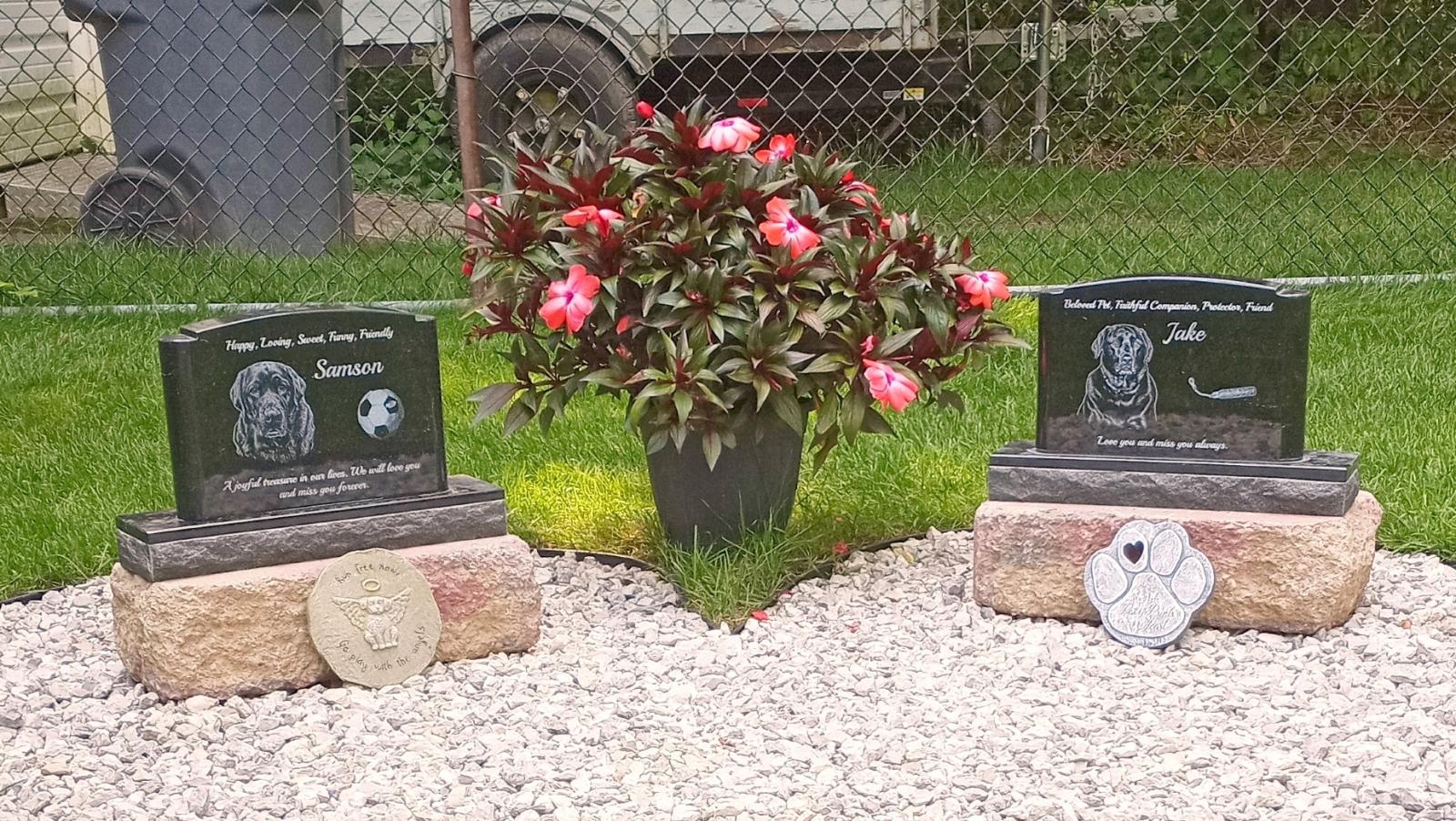
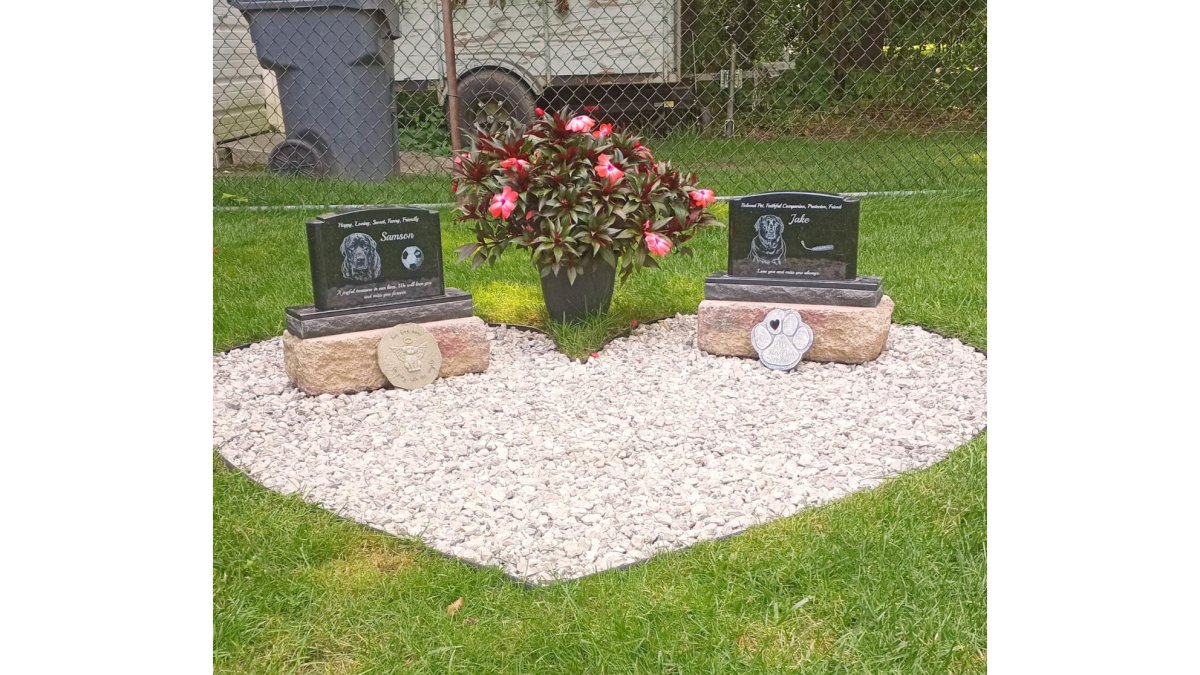
Memorial plaques offer a more subtle option, especially for families who prefer a smaller, more intimate memorial. These can be placed in gardens, parks, on benches, or mounted on cemetery walls. Garden memorials, like stone markers surrounded by plantings, create a living tribute.
Plaques and garden memorials work beautifully when traditional headstones don't fit your situation. Perhaps the cemetery has restrictions, or you want to honor someone in a meaningful outdoor space beyond the cemetery. These options are also typically more flexible with design and inscription choices.

Cemetery Headstone Requirements and Approval
Before you buy funeral memorials like a headstone, you need to understand your cemetery's rules. This is the part most people skip, and it's the part that causes delays and frustration.
Every cemetery has its own regulations governing size, material, design, and placement of memorials. Some cemeteries are strict; others are flexible.
Here's what you need to do: contact your cemetery directly and request their memorial guidelines in writing.
Some cemeteries have size restrictions that can catch you off guard. A headstone you've already purchased might be too tall or too wide for your plot. That's why verification before ordering is essential.
Ask your cemetery if they handle installation or if you need to arrange it separately. Some cemeteries include installation in their fees; others require you to hire a contractor.
Choosing Materials and Design for Durability
The material you choose determines how your memorial looks today and how it will weather over decades. Granite is the gold standard for cemetery memorials, but understanding why matters.
Granite is quarried stone, incredibly dense and naturally resistant to the elements. It doesn't absorb water the way softer stones do, which means it resists cracking, staining, and deterioration from freeze-thaw cycles. A well-crafted granite memorial can last for generations with minimal maintenance.
Other materials like marble, limestone, and sandstone are softer and more porous. They're beautiful, but they require more maintenance and may not withstand harsh weather as well as granite. If durability and longevity are your priorities, and for most families, they are, granite is the better choice.
Why Granite Resists Cracking and Staining
Granite's density is what makes it so durable. The stone is composed of tightly packed mineral crystals that resist water penetration. When water can't seep into the stone, it can't freeze inside and cause cracking.
Staining is another concern. Softer stones absorb moisture and organic matter, dirt, algae, bird droppings, which can permanently discolor the surface. Granite's non-porous nature means stains sit on the surface and can be cleaned away.
The engraving process also matters. Laser etching creates a permanent mark that won't fade or wear away. Unlike painted or sandblasted designs, laser-etched inscriptions are part of the stone itself and will remain clear and readable for generations.
Design choices affect durability too. Intricate designs with deep crevices can trap water and debris. Simpler designs with smooth surfaces are easier to maintain.
Memorial Inscription Ideas and Personalization
Your inscription is your chance to say something meaningful. It's the words that will be read by family members, friends, and strangers for generations. Getting it right matters.
Inscriptions typically include the person's full name, birth and death dates, and a personal message.
Think about what you want people to feel when they read your memorial. Do you want them to smile, reflect, or feel the weight of your love?
The length matters. Shorter inscriptions are more impactful and easier to read. Longer inscriptions can feel cluttered on stone.
Personalization goes beyond inscriptions. You can incorporate photos, symbols, hobbies, or achievements into the design. A musician might have a musical note etched into the stone.
When working with a designer, share photos, stories, and details about the person you're honoring.
How to Buy a Headstone Online Safely
Buying a significant item like a memorial online requires caution. You're making a purchase during an emotional time, from a vendor you've never met, for a product you can't inspect in person before it's created. That's why doing your homework upfront is critical.
The direct-to-consumer model, buying from memorial makers rather than through funeral homes, offers real advantages. But it also requires you to be an informed buyer.
Start by identifying what you want. Use the information above to narrow down your memorial type, material, approximate design, and inscription. Gather photos or examples of styles you like. Have your cemetery's requirements in front of you. The more specific you are, the better a vendor can serve you.
What to Check Before Ordering
Before you place an order, verify several things. First, confirm that the memorial you're designing meets your cemetery's specifications. Don't rely on assumptions, have the measurements and requirements in writing from the cemetery.
Second, understand the pricing structure. Ask what's included in the quoted price and what costs extra. Does it include design consultation? Engraving? Shipping? Installation? Some vendors bundle everything; others charge separately for each service.
Third, get a timeline in writing. How long does the design process take? How long from approval to completion? How long for delivery or installation?
Fourth, ask about revisions. Can you request changes to the design before it's finalized? Most reputable vendors allow a reasonable number of revisions before the memorial goes into production. Confirm this policy upfront.
Verifying Vendor Reliability and Turnaround
Check whether the vendor has testimonials or reviews from past customers. Look for specific feedback about quality, communication, and whether the memorial arrived as promised and on schedule. Testimonials from people who've been through the process are invaluable.
Ask how the vendor handles issues. What if the memorial arrives damaged? What if there's an engraving error? What's their process for fixing problems?
Communication matters enormously during this process. You want a vendor who responds promptly to questions, keeps you updated on progress, and treats you with genuine care.
Ask whether you can see a design mockup or photo before the memorial is finalized. This gives you a chance to catch any errors or request adjustments while there's still time.
Installation, Delivery, and Timeline Expectations
Once your memorial is complete, the next phase is delivery and installation. Understanding this process helps you plan and manage expectations.
Most memorials are shipped on a flatbed truck with professional handling.
Your cemetery will likely schedule the installation. Contact them after your memorial ships to confirm the installation date.
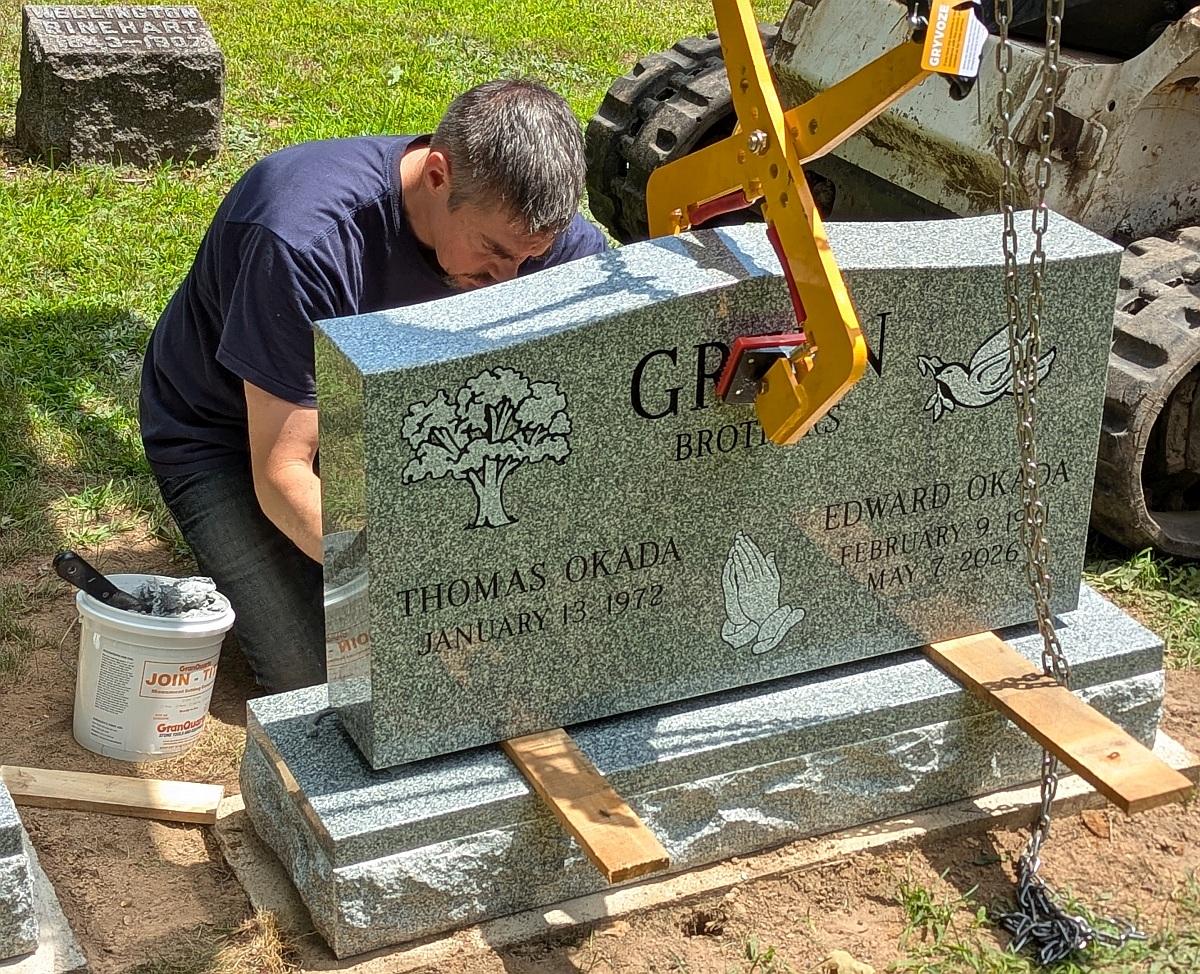
Installation typically takes a few hours. The contractor will set the memorial in place, ensure it's level and secure, and make any final adjustments.
Seasonal factors matter too. Winter weather can delay installation in many regions.
After installation, your memorial is there to stay.
Choosing a memorial is one of the most meaningful decisions you'll make after losing someone you love.
The process doesn't have to feel overwhelming.
At Memorials Direct, we specialize in personalized granite memorials crafted with exceptional attention to detail. Our direct relationship with you means faster turnaround, better value, and the kind of personal service that matters when you're grieving. Contact us to discuss your memorial and get started on creating something truly meaningful.
Frequently Asked Questions
Is it cheaper to buy a headstone online?
Online direct-to-consumer memorials often offer value compared to traditional funeral home pricing. When you buy a headstone online, you work directly with the maker. However, total pricing depends on materials, customization level, size, and delivery distance. Request a quote from your provider to compare against other options and understand what is included in the price.
What should I check before ordering a memorial online?
Before you buy a headstone online, verify the vendor's track record with customer testimonials and reviews. Confirm their turnaround time and delivery process, ask whether they handle installation or if you arrange it separately. Request a timeline from order to completion. Check their design process: do they offer one-on-one consultation, revision rounds, and approval steps before production? Finally, confirm they can work with your cemetery's specific requirements and size restrictions.
Can I personalize a memorial with a photo, inscription, or custom design?
Yes. Most custom memorial providers, including those specializing in granite memorials, offer permanent etching for inscriptions, designs, and images. You can add names, dates, meaningful quotes, religious symbols, or images of the person or pet being honored. The level of detail depends on the etching technology and the provider's design capabilities. During your design consultation, discuss what personalization matters most to you and confirm the provider can execute it within your vision and budget.
Do I need cemetery approval before buying a memorial?
Yes. Before ordering, contact your cemetery directly to understand their headstone requirements, including approved materials, size restrictions, shape guidelines, and any placement rules. Some cemeteries have strict standards; others are more flexible. Get these requirements in writing. Share them with your memorial provider so they can design a piece that meets all cemetery rules. This prevents costly delays or rejection after your memorial is completed.
How long does it take from order to installation?
Timeline varies by provider and customization complexity. Ask your provider for a specific estimate when you order. Clarify whether they handle installation or if you need to arrange it separately, installation by a third party may add additional time. Plan ahead, especially if you need the memorial in place for a specific date or season.
What makes granite urns for ashes different from other memorial options?
Granite urns for ashes are durable, weather-resistant vessels designed to hold cremated remains indoors or outdoors. Unlike ceramic or wooden urns, granite resists cracking, staining, and deterioration from moisture and temperature changes. They can be personalized with engravings and placed in a garden, home, columbarium, or cemetery niche. Granite urns work well for families who want a permanent, customizable memorial that honors their loved one while protecting the ashes.
What if I'm not sure whether a cemetery memorial or home memorial is right for my situation?
Consider your long-term plans and where you want the memorial to be. If ashes will eventually be scattered or buried, a home memorial like a granite urn may work now and later. If you plan a traditional cemetery burial or permanent placement, work with your cemetery to understand their options. A reputable memorial provider can guide you through these decisions during a one-on-one consultation, helping you choose a memorial type that fits your family's wishes and circumstances.
Contact Us
Comments