Flat Headstone vs Upright Headstone: Which Fits Your Family
Last Updated: October 26, 2026
Quick Summary
Choosing between a flat headstone vs upright headstone comes down to cemetery rules, visibility, and long-term care. A flat headstone sits level with the lawn, while an upright headstone stands above ground on a base. Request the cemetery's written rules before you shop, since many cemeteries restrict upright monuments or require design approval.
A flat grave marker sits even with the turf, so groundskeepers mow straight over it.
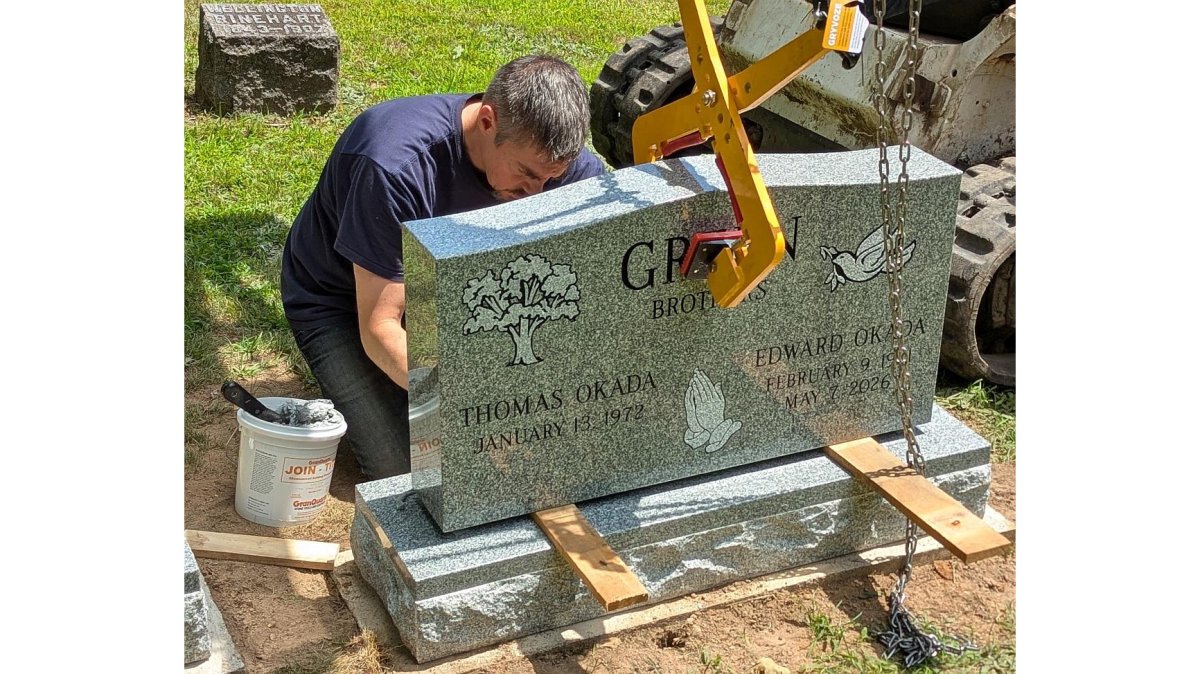
An upright monument stands above the grave on a granite base and is easier to find from a distance.
Ask the cemetery what marker types are allowed, whether there are size requirements, and whether the design needs approval.
Compare the full installed cost, including the marker, engraving, base and foundation, delivery, and installation.
Ask your provider for a realistic timeline in writing and confirm who handles installation.
Table of Contents
Flat Headstone vs Upright Headstone: A Side-by-Side Comparison
Choosing between a flat headstone vs upright headstone comes down to cemetery rules, visibility, and long-term care. A flat headstone sits level with the lawn; an upright headstone stands above ground on a base.

Custom Pet Urns for Gardens: 7 Memorials That Last
Feature | Flat Headstone | Upright Headstone |
Position | Level with the ground | Stands above ground on a base |
Visibility | Low profile, unobtrusive | Visible from a distance |
Best for | Lawn-level cemetery rules | Traditional, prominent memorials |
Flat Grave Marker Pros and Cons for a Low-Profile Memorial
A flat grave marker sits even with the turf, so groundskeepers mow straight over it. It is harder to spot from a distance, and snow or clippings can cover it. Check the cemetery's rules before ordering.
If a low-profile memorial fits your family, browse the ground marker styles we offer.
Upright Monument Benefits and Trade-Offs for a Traditional Look
An upright monument stands above the grave on a granite base, easier to find from a distance. Many cemeteries have rules about monument placement.
Why Some Graves Have Flat Markers Instead of Headstones
Funeral Channel Network
If you are leaning toward a traditional monument, our complete guide to buying funeral memorials walks through the decisions in order, and you can read how a monument comes together from first visit to final setting.
How Cemetery Rules and Approval Shape Your Choice
Request the cemetery's rules before you shop and ask what marker types are allowed, whether there are size requirements, and whether the design needs approval.
Headstone Sizes, Materials, and Engraving: What Actually Differs
A flat marker is wider than it is tall.
For help with the vocabulary, our guide to common headstone terms before you choose explains the words cemeteries and memorial providers use.
Understanding Total Cost, Not Just the Stone
Total cost includes the marker, engraving, base and foundation where required, delivery, and installation. Flat markers usually start lower because they use less granite; upright monuments cost more due to additional material and foundation work. Compare the full installed cost rather than the stone alone.
Accessibility, Visibility, and Long-Term Care
An upright headstone is easier to find and read, which helps when family members visit infrequently. Flush markers let mowers pass over them.
Ordering and Installation: What the Timeline Looks Like
Ask your provider for a realistic timeline in writing and confirm who handles installation.
Frequently Asked Questions
What is the difference between a flat headstone and an upright headstone?
A flat headstone, also called a flat grave marker or flush marker, sits at lawn level and blends into the ground. An upright headstone stands vertically above the grave on a base, making it more visible from a distance. The choice affects visibility and cemetery rules.
Are flat or upright headstones easier to maintain?
Flat grave markers are generally easier to maintain because they sit flush with the lawn, so groundskeepers can mow over them without trimming around a base. Upright monuments require more attention around the base and may need occasional cleaning of vertical surfaces. Either style benefits from periodic cleaning with mild soap and water to preserve engraving clarity and granite durability.
Do cemeteries have rules about flat and upright headstones?
Yes. Many cemeteries regulate marker type, headstone sizes, placement, and foundation requirements. Before ordering, request the cemetery's written rules and approval process.

Comments